
Mining
back to industries
back to industries
Keep site operations steady as fleets, assets, and control environments become more connected.
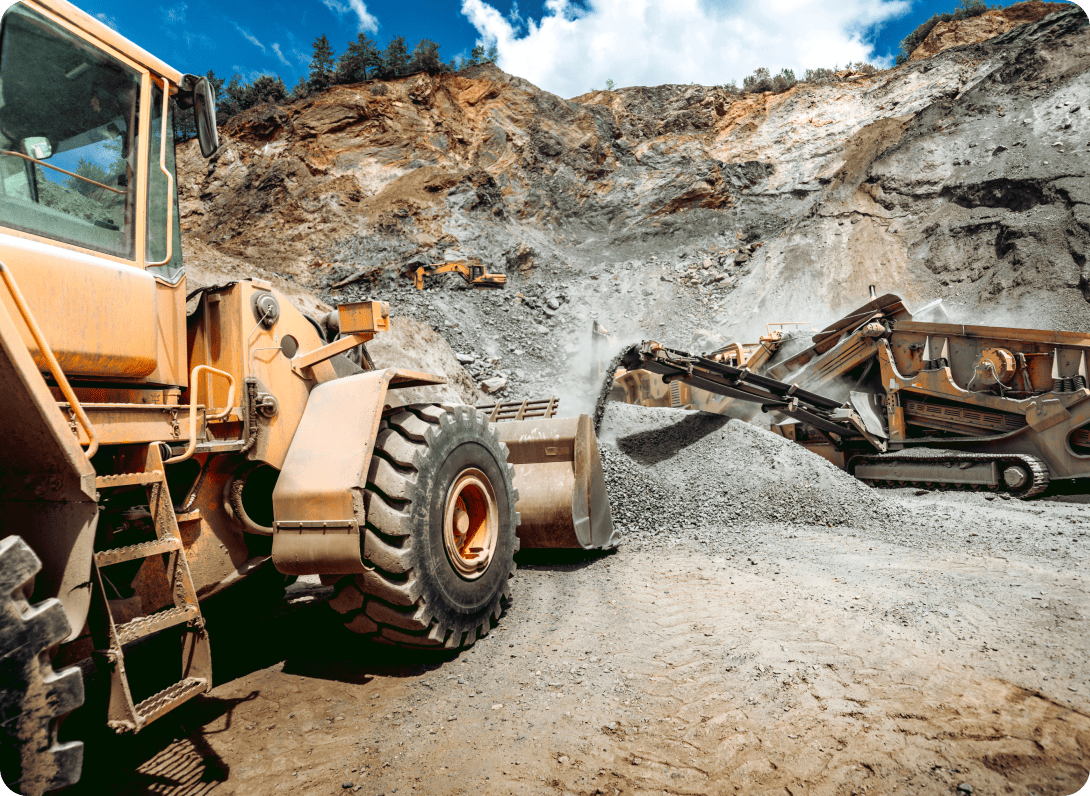
Mining teams operate across remote sites, mobile fleets, processing environments, and control rooms where safety, uptime, and response time affect production every day. As mines connect more equipment and coordinate more work across dispersed locations, day-to-day decisions start to affect visibility, reliability, and how quickly teams can respond across the operation.

Field activity, equipment status, and operational signals remain harder to align when sites, fleets, and control environments do not share a cleaner path for coordination.

Teams lose time when connectivity, monitoring, and operational workflows are not structured around dispersed sites and moving assets.

Interruptions create wider consequences in remote operations where restoring visibility and stability takes longer.

It becomes more difficult to introduce connected equipment, remote workflows, or new digital systems when older operational environments keep adding friction
These challenges usually become visible first in mining environments where remote operations, mobile assets, and centralized oversight all depend on steady coordination across distance.
Scenario 1
Operations far from central support usually surface coordination and recovery gaps sooner because response depends on distance, connectivity, and site conditions.
Scenario 2
Mines coordinating moving equipment and high volumes of operational signals tend to feel visibility and control gaps earlier.
Scenario 3
Teams managing several sites from a remote or centralized environment usually need a cleaner path for shared visibility and more reliable day-to-day coordination.
Scenario 4
Organizations modernizing site operations with more connected systems often notice friction sooner when older environments are not ready to support the change

Create a stronger foundation for connecting site activity, equipment signals, and operational decision-making across dispersed environments

Build a more stable path for continuity, recovery readiness, and day-to-day control in environments where interruptions carry wider operational impact.

Support a cleaner operating model for teams managing multiple locations, moving assets, and remote oversight.

Bring more structure to the transition from fragmented legacy environments toward a more connected and adaptable operating model

We can review your current setup and help define the next step based on cost, control, compliance, and operational requirements.
back to industries


.svg)
.png)

.svg)