
Manufacturing
back to industries
back to industries
Build a stronger foundation for connected manufacturing across sites, systems, and production environments.
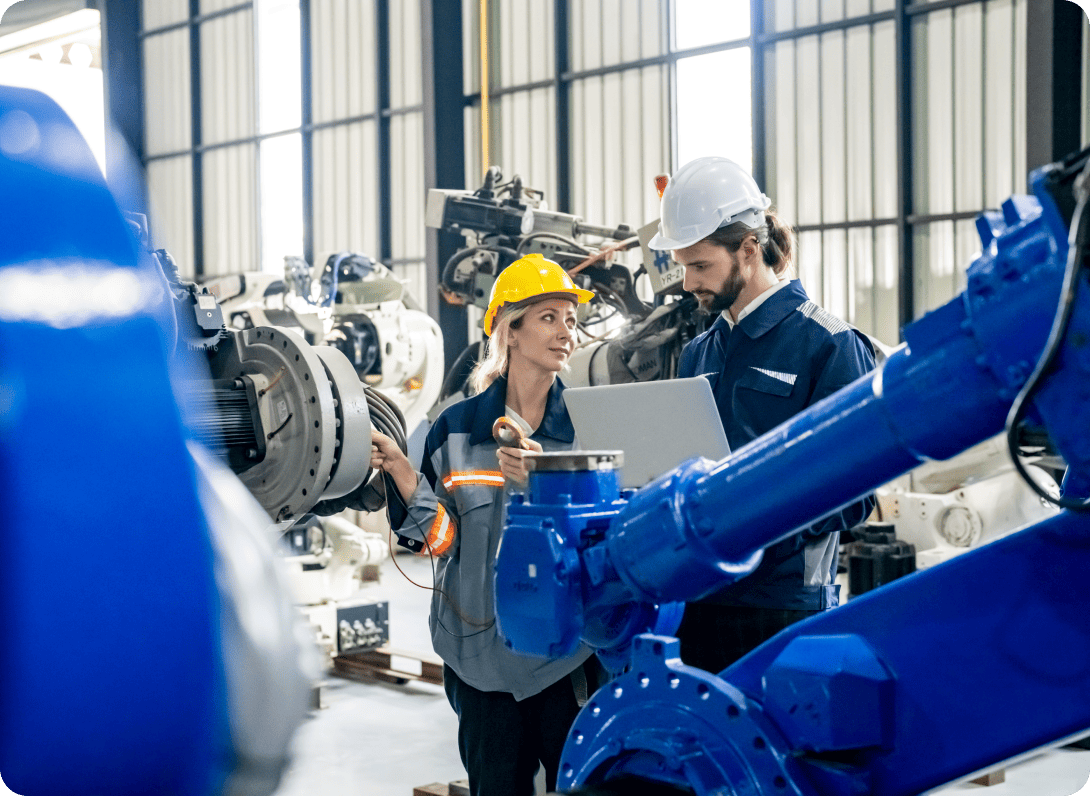
Manufacturing operations run across plants, machines, production systems, quality workflows, and business processes that need to stay coordinated over time. As manufacturers digitize more of the shop floor and connect more operational data to planning and decision-making, infrastructure choices start to affect uptime, visibility, security, and the pace of modernization.

Plant data, production signals, and business systems remain harder to align when environments grow across sites and tools without a clearer integration path.

Interruptions create wider consequences when production continuity depends on systems that are difficult to stabilize, monitor, or recover.

Teams face more friction when older production systems have to coexist with newer digital workflows, reporting needs, and security expectations.

Connected plant environments create more pressure around access, oversight, and resilience as machines, networks, and operational systems become more exposed.
These challenges usually become visible first in manufacturing environments where production continuity, plant connectivity, and multi-system coordination start to matter at the same time.
Scenario 1
Teams coordinating several facilities usually need a cleaner path for consistency, visibility, and operational control across sites.
Scenario 2
Plants relying on machine data, sensors, or more connected operational systems tend to surface infrastructure and oversight gaps sooner.
Scenario 3
Manufacturers that need stronger traceability and better production insight often feel the limits of fragmented systems earlier.
Scenario 4
Teams upgrading older environments usually need a more practical foundation to support new digital initiatives without carrying the same level of operational friction forward

Create a stronger foundation for connecting plant-level activity with the systems teams use to monitor, plan, and improve operations

Build a more stable path for continuity, recovery readiness, and day-to-day operational control.

Support a more practical transition for teams working across legacy systems, newer workloads, and evolving operational requirements.

Bring more structure to the way manufacturing systems are governed, secured, and operated as plants become more digitally connected.

We can review your current setup and help define the next step based on cost, control, compliance, and operational requirements.
back to industries


.svg)
.png)

.svg)