
Logistics & Supply Chain
back to industries
back to industries
Build a more responsive foundation for distributed logistics networks.
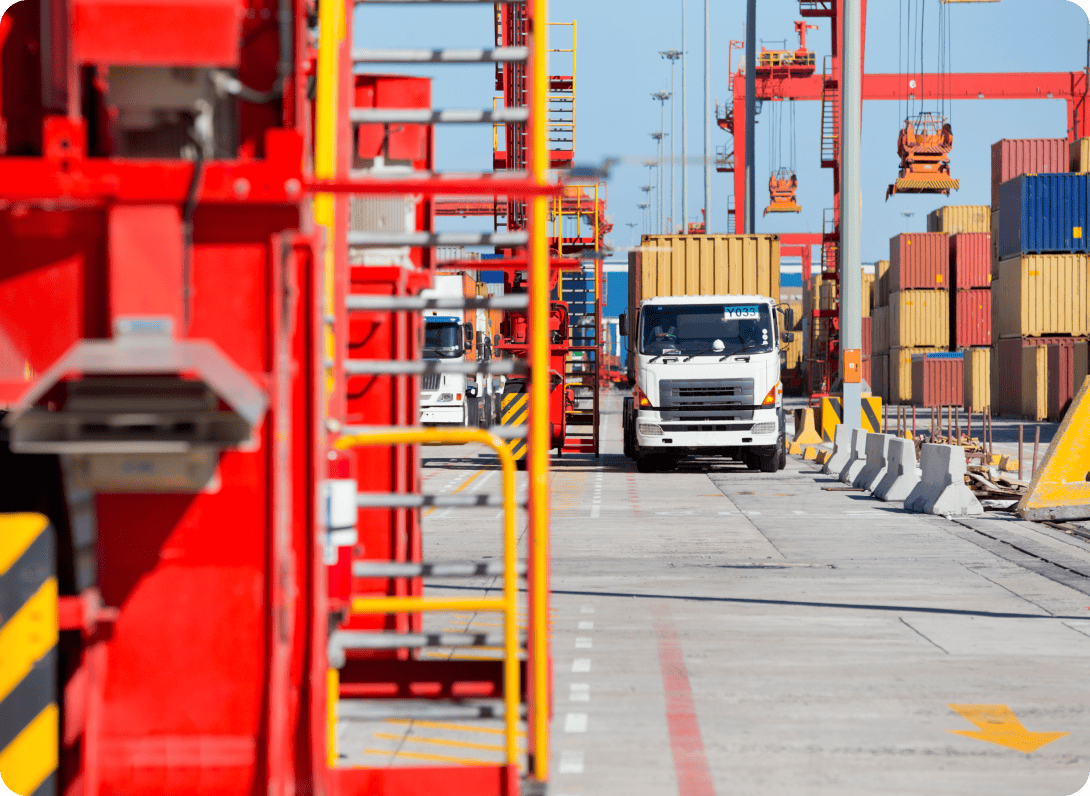
Logistics platforms depend on constant movement across warehouses, routes, partners, and regions. Shipment tracking, inventory events, routing updates, and delivery confirmations all create a steady flow of operational data that needs to move quickly and stay visible across distributed networks.

Tracking, routing, and inventory workflows become harder to keep responsive when infrastructure sits far from the places where operational data is created.

As more warehouses, carriers, partners, and dashboards exchange data, infrastructure costs become harder to predict and control.

Teams lose clarity when events, updates, and operational signals are spread across disconnected systems and regions.

Seasonal surges, route changes, and shipment spikes increase pressure on systems that already carry continuous real-time workloads.
These challenges usually become visible first in supply chain environments where operations are geographically distributed and service quality depends on timely, shared visibility.
Scenario 1
Operations spanning several countries usually feel latency and data movement pressure earlier, especially when infrastructure geography does not match the movement of goods
Scenario 2
Products that depend on frequent status updates, partner integrations, or high event volumes tend to surface infrastructure strain sooner.
Scenario 3
Teams coordinating inventory, scans, and route activity across multiple facilities often need a cleaner path for real-time processing and visibility.
Scenario 4
Businesses that face concentrated shipping surges usually notice scaling inefficiencies before and during peak periods

Bring infrastructure closer to logistics hubs and operational geographies where real-time responsiveness matters.

Reduce hidden pressure tied to cross-region traffic, replication, and continuously moving operational data.

Support a cleaner operational foundation for tracking events, inventory updates, and system-to-system coordination.

Give teams a more elastic path for seasonal peaks and high-volume periods without carrying the same level of year-round overhead.

We can review your current setup and help define the next step based on cost, control, compliance, and operational requirements.
back to industries


.svg)
.png)

.svg)